Safe Sleep with a Newborn
Agerage Read Time: 4-5 minutes
This information comes primarily from the American Academy of Pediatrics (AAP) and La Leche League (LLL)
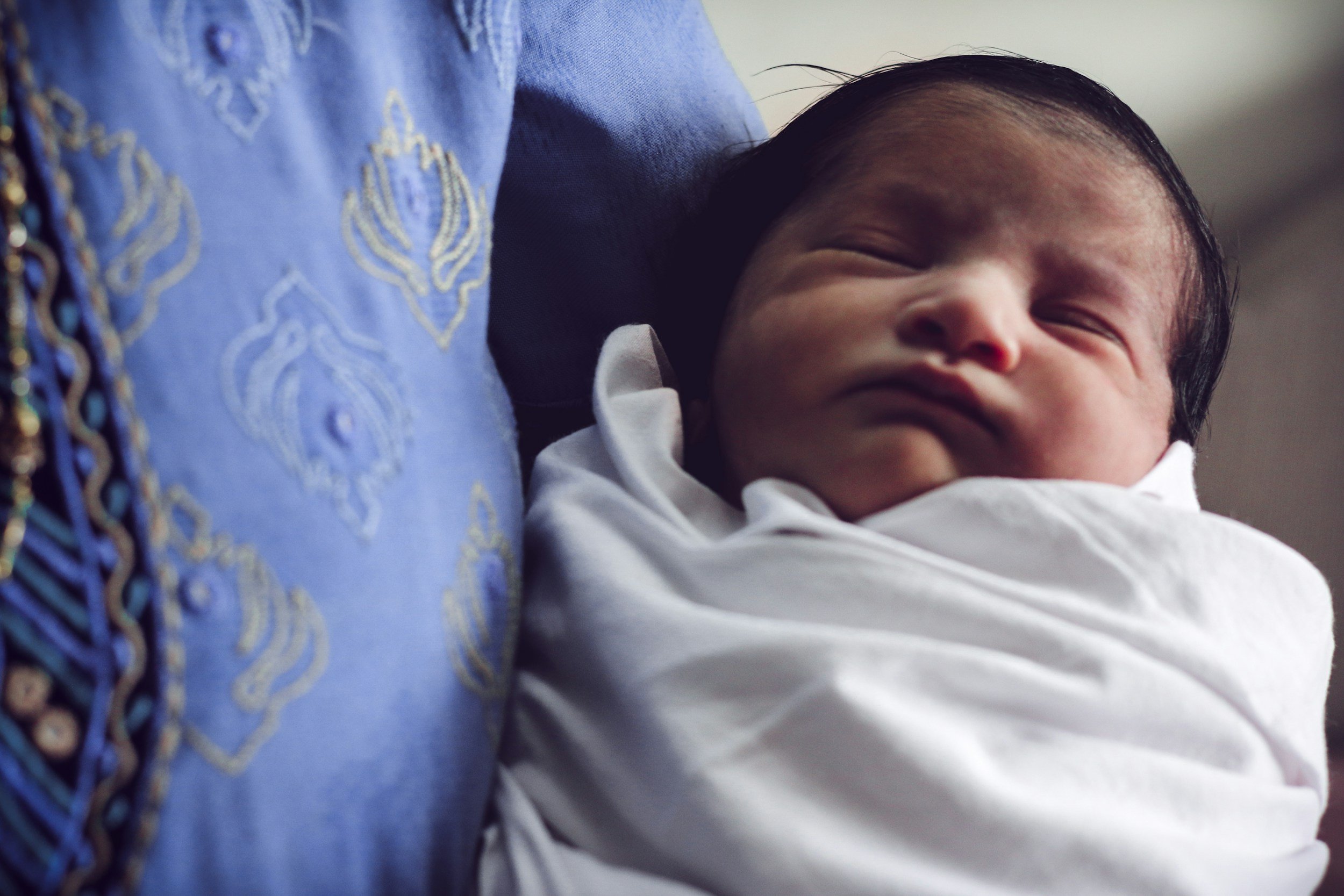
Newborns sleep… a lot! But they do not necessarily know how to sleep safely, yet! Here are some evidence based recommendations for safely helping your newborn sleep, and what to do when you’re struggling to help them get to sleep. This is meant as a brief introduction to safe sleep. Please refer to your pediatrician for all final recommendations!
First off, the ABCs…
Every big institution in America recommends following the ABCs of safe sleep:
A - Alone - your baby should sleep alone
B - Back - your baby should be placed on their back
C - Crib - your baby should sleep in their own sleep space, such as a crib or bassinet
Let’s break these down a bit more…
Alone:
Make sure that your baby is alone in their sleep space, without anything else in the space with them. That means no blankets, no stuffies, no pillows. Your baby can sleep in a sleep sack or a swaddle (depending on what they prefer and their ability to roll), and can have a pacifier in the crib with them. Other than that, they should be alone.
The goal is to have your baby sleep alone, without another person. This is NOT to discourage contact naps! If you are awake, and your baby falls asleep on you, enjoy that time with them! Just make sure you are able to stay awake and keep them in a safe position.
I completely understand that those late night feeds, that late night support and cuddling may lead you to accidentally fall asleep with your baby. Below, I outline the guidelines that have been created to make co-sleeping as safe as possible. Deciding to co-sleep is a personal choice. Most organizations do not recommend it, but also understand that things happen. Parenting is hard and tiring. So please consider the safe co-sleeping information below when making a decision for yourself and your family.
Alone does not mean they can’t be in the same room as their parents. The current recommendation is that babies sleep in the same room as their parents for at least the first six months of life! This will also give you easy access in the night for feedings, comfort and diaper changes! Less movement = less stress :)
Back:
Always place your baby on their back when you lay them to sleep. (Note: this doesn’t include contact naps on your chest! They need to be placed on their back when utilizing their own sleep surface.)
Newborns have a newborn curl reflex! Sometimes, that means that they will roll onto their side when they are sleeping. This can be scary, especially if they are swaddled without control of their arms. This can continue for the first two months of their lives, but the current evidence shows that they are OK to be swaddled in this position. If you feel uncomfortable, try unswaddling them and see how they do!
Babies start rolling between 2-4 months. When your baby shows signs of rolling, whether awake or asleep, stop swaddling them. If they roll while they are sleeping, and their arms are out, they are safe to keep sleeping.
Crib:
Newborns can be placed in their crib, bassinet, or a pack-and-play.
Always read through the user manual of your sleep space to understand their specific weight and height limits, and adhere to them! This is also recommended for fitting sheets for your baby’s sleep space. Always follow the recommendation from the manufacturer.
Safe Co-Sleeping
This information comes from La Leche League
While the AAP and most evidence based organizations say that the best way for a baby to sleep is alone, in their own sleep space, I also want to recognize that this doesn’t always happen. By following the recommendations below, you can make sure that if you do choose to co-sleep, you’ve set yourself up for the safest situation possible.
Make sure baby is placed on their back to sleep (they may fall asleep nursing on their side, so make sure to move them back onto their back)
There should be no gaps or wedges in the bed - Fill any gaps with tightly rolled towels.
Bed is close to the ground
Use a firm mattress only
No other siblings in the bed, nor pets
Your baby should not sleep with any extra pillows or blankets, keep all excessive bedding away
Very long hair is tied back
Never co-sleep in the following situations:
If anyone in the bed has been smoking or drinking or is taking any medications that may alter their natural state
If you are not in a safe bed. Do not co-sleep on a couch, recliner, or other area besides the designated co-sharing bed
If there’s anything dangling on or near the bed, such as curtains, strings, etc.
If your baby was born premature
If the baby is not exclusively nursing
Finally, some tricks I’ve learned over the years as a doula:
Place a heating pad inside of the crib/bassinet before sleep time. When it’s time to lay the baby down, take the heating pad out! The warmth can be comforting.
When placing the baby down, start with their bottom, then gently bring the head down to the sleep surface. There’s something about this gentler placement that can help not activate baby’s startle reflex!
Ask for help! Find a parent and baby group, chat with other parents with older kids, or reach out to a professional. Parenting is communal, so find and lean on your community. Once you’ve got it down, share your own tips with others, too!
I hope these general tips help you figure out the ever-challenging puzzle of newborns and sleep! Have any questions or want more support? Contact me here!
Please note, I am not a medical professional. The purpose of this blog is to provide information so that you can decide for yourself what is right for your family. Please consult my references and resources for more information.